


 English
 Español
 Portugues
 Pусский
 Français
 Deutsch
 日本語
日本語 한국어
한국어 العربية
 Italiano
 Nederlands
 Polski
 ไทย
ไทย Türk dili
 हिन्दी
 Indonesia
 Melayu
 বাংলা
বাংলা


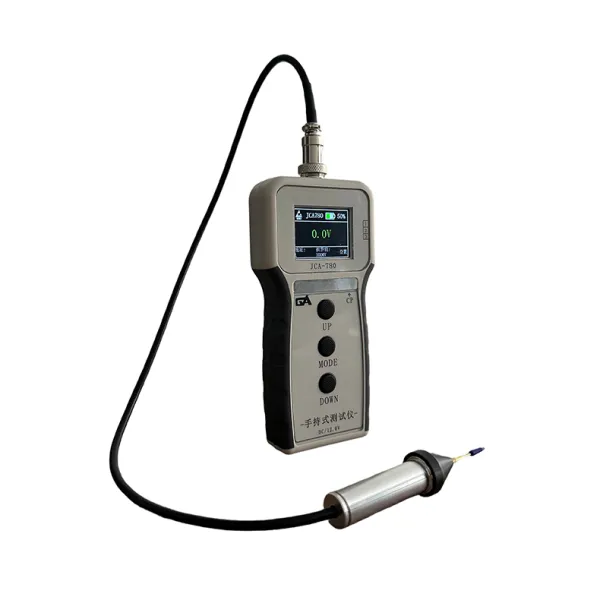


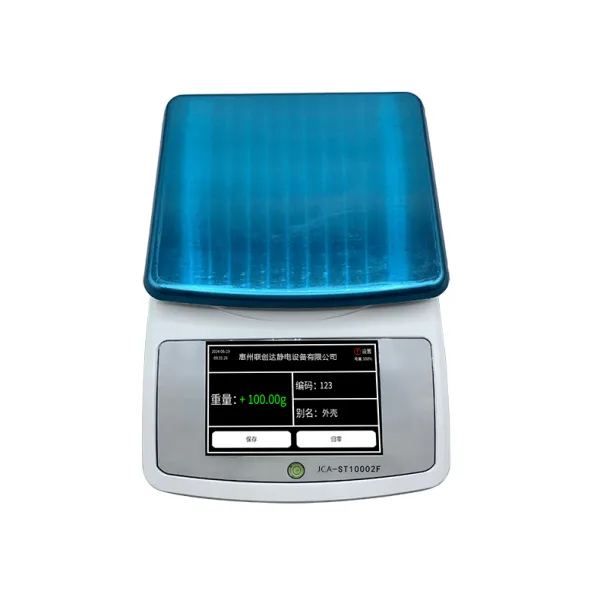
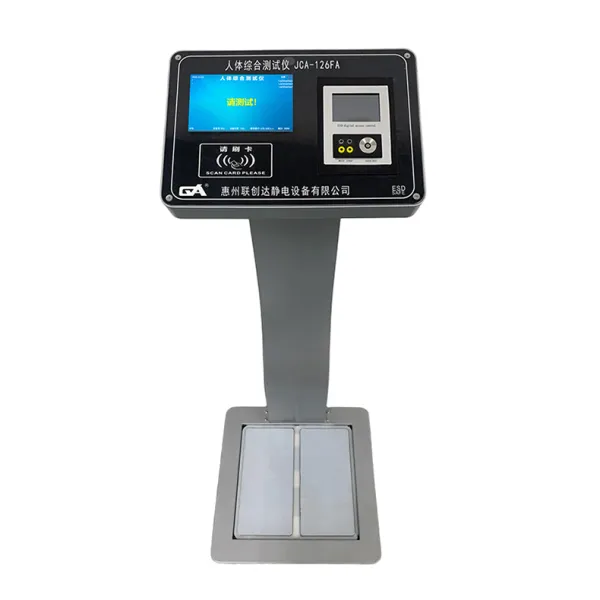
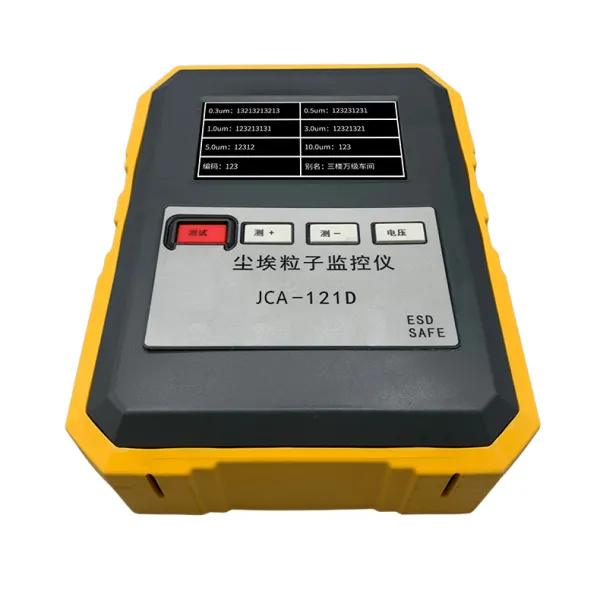
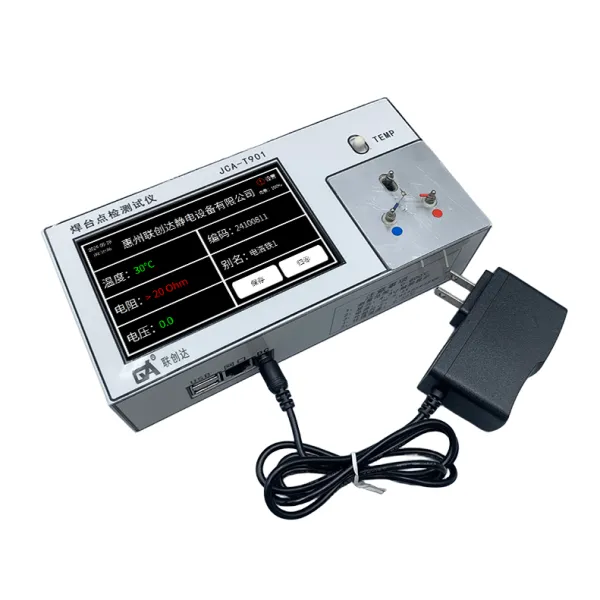
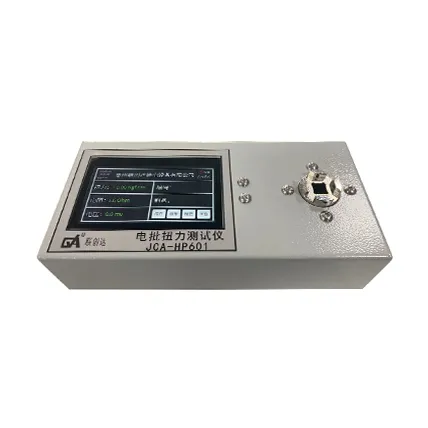
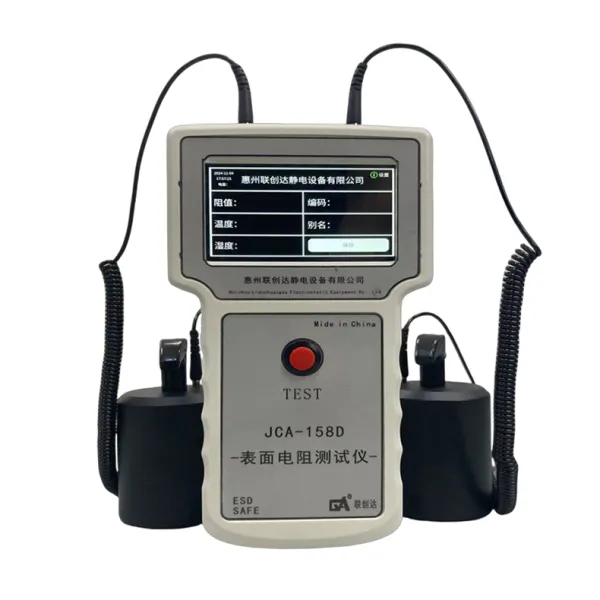
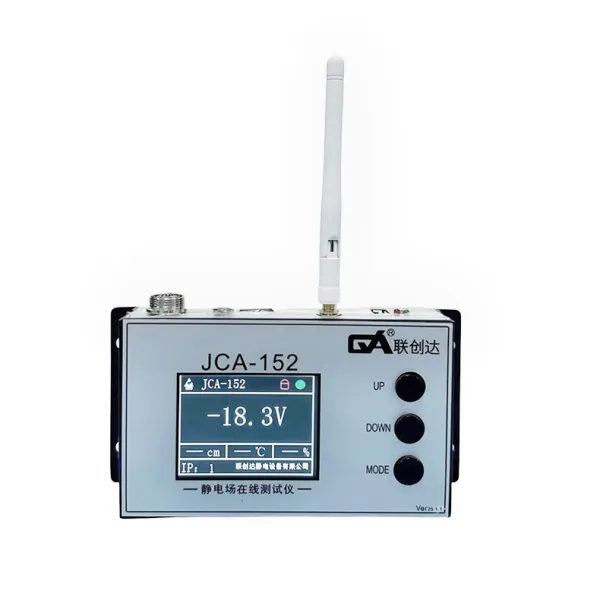





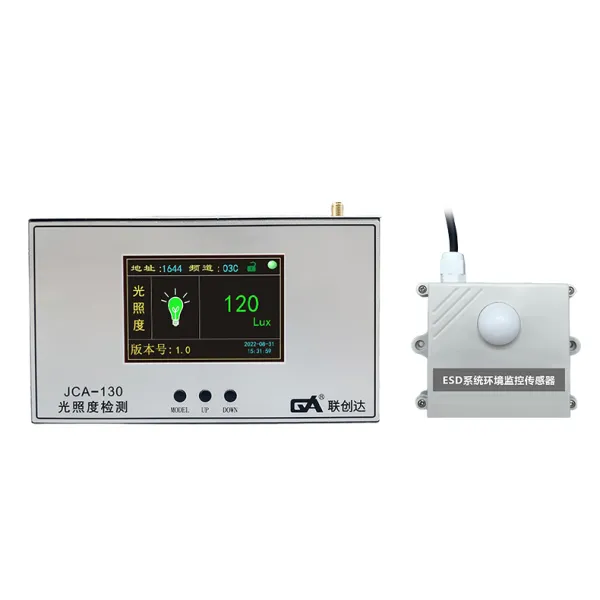

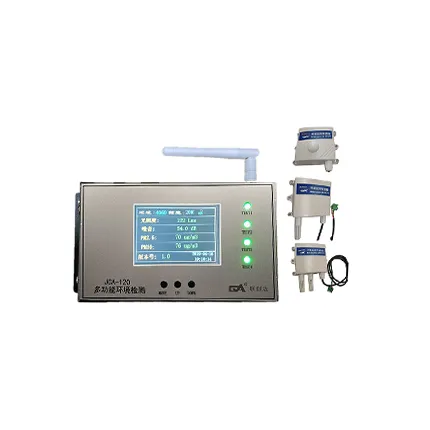
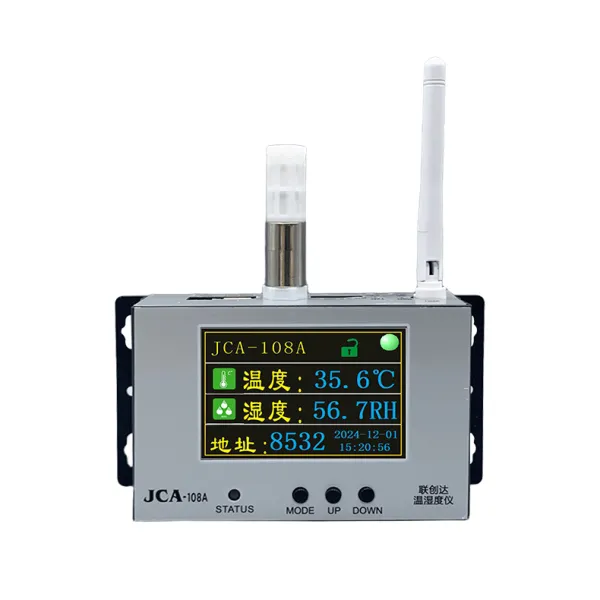
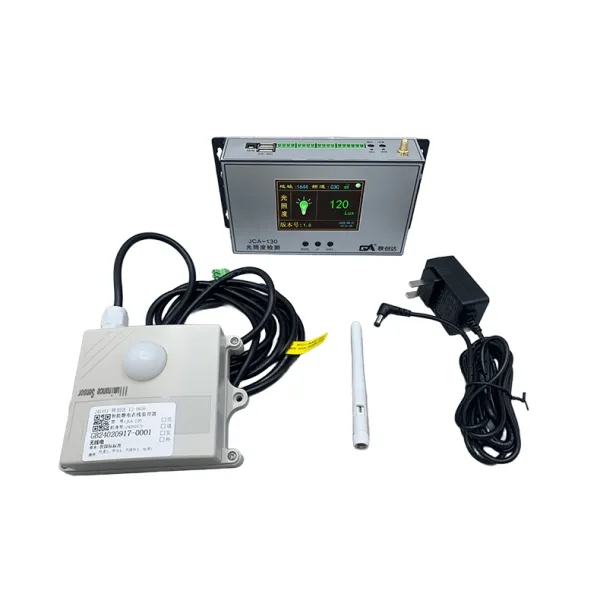


Environmental detection
Environmental Detection: An Overview Environmental detection refers to the process of monitoring, analyzing, and assessing various elements in the environment to identify pollutants, track changes, and ensure ecological safety. It plays a critical role in safeguarding human health, preserving ecosystems, and supporting sustainable development. Key Components of Environmental Detection 1. Air Quality Monitoring Air pollution, caused by industrial emissions, vehicle exhaust, and natural sources, poses significant risks to public health. Environmental detection systems measure concentrations of harmful gases (e.g., CO₂, SO₂, NOx) and particulate matter (PM2.5, PM10). Real-time sensors and satellite-based technologies help track air quality trends and enforce regulatory standards. 2. Water Quality Assessment Contaminants in water, such as heavy metals, chemicals, and microorganisms, threaten aquatic life and human consumption. Detection methods include chemical analysis, biosensors, and remote sensing to identify pollutants like lead, mercury, and pesticides. Early detection prevents outbreaks of waterborne diseases and ensures safe drinking water. 3. Soil Contamination Analysis Industrial waste, agricultural chemicals, and improper waste disposal degrade soil quality. Environmental detection employs spectroscopy, chromatography, and microbial testing to assess soil health. Remediation strategies depend on accurate data to restore contaminated land. 4. Noise and Radiation Monitoring Excessive noise pollution affects urban well-being, while radiation leaks (e.g., nuclear accidents) pose severe hazards. Detection tools include sound level meters and Geiger counters to monitor compliance with safety thresholds. Technologies in Environmental Detection - IoT and Smart Sensors: Wireless networks enable real-time data collection from remote locations. - AI and Big Data: Machine learning algorithms predict pollution patterns and optimize resource allocation. - Drones and Satellites: Provide large-scale environmental mapping for deforestation, oil spills, and climate change studies. Challenges and Future Directions Despite advancements, challenges like high costs, sensor accuracy, and data interoperability persist. Future innovations may focus on miniaturized sensors, citizen science participation, and integration with smart city infrastructures. Conclusion Environmental detection is essential for mitigating pollution, complying with regulations, and promoting sustainability. By leveraging advanced technologies, societies can achieve cleaner air, water, and soil, ensuring a healthier planet for future generations. (Word count: 500)
Sản phẩm
Danh mục:
Không có kết quả tìm kiếm!
Tin tức
Danh mục:
-
[Industry news]Advantages of Wireless Temperature and Humidity Monitors in...
2025-11-12 15:55:17
Trường hợp
Danh mục:
Không có kết quả tìm kiếm!
Video
Danh mục:
Không có kết quả tìm kiếm!
Tải về
Danh mục:
Không có kết quả tìm kiếm!
Tuyển dụng
Danh mục:
Không có kết quả tìm kiếm!
Sản phẩm được đề xuất
Không có kết quả tìm kiếm!



 Whatsapp
 Điện thoại