


 English
 Español
 Portugues
 Pусский
 Français
 Deutsch
 日本語
日本語 한국어
한국어 العربية
 Italiano
 Nederlands
 Polski
 ไทย
ไทย Türk dili
 हिन्दी
 Indonesia
 Melayu
 বাংলা
বাংলা


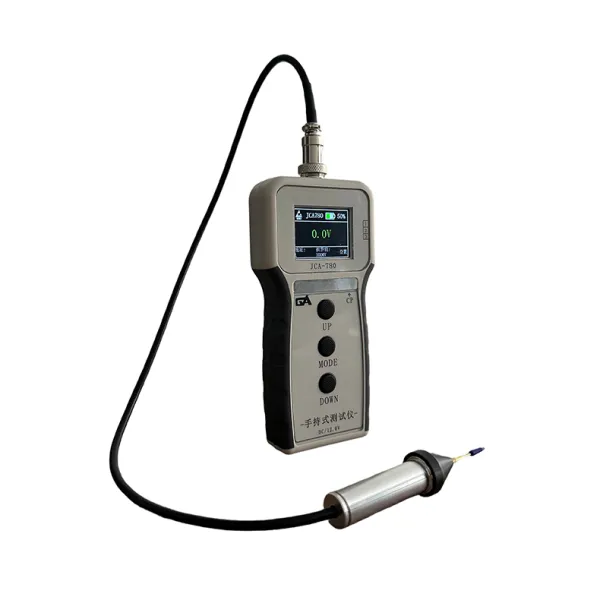


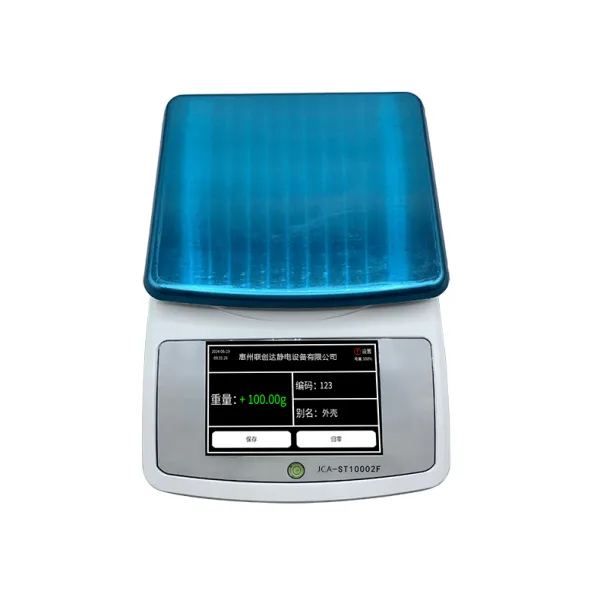
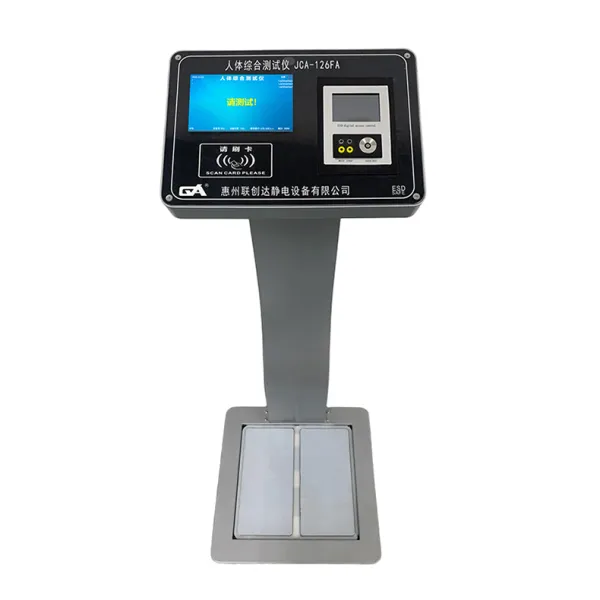
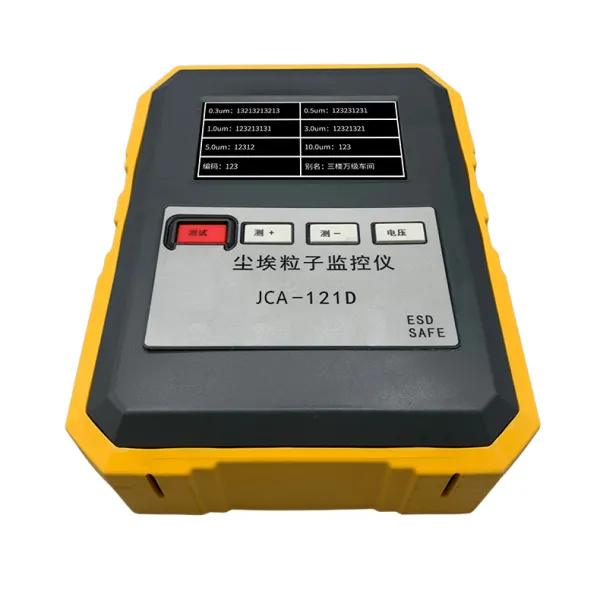
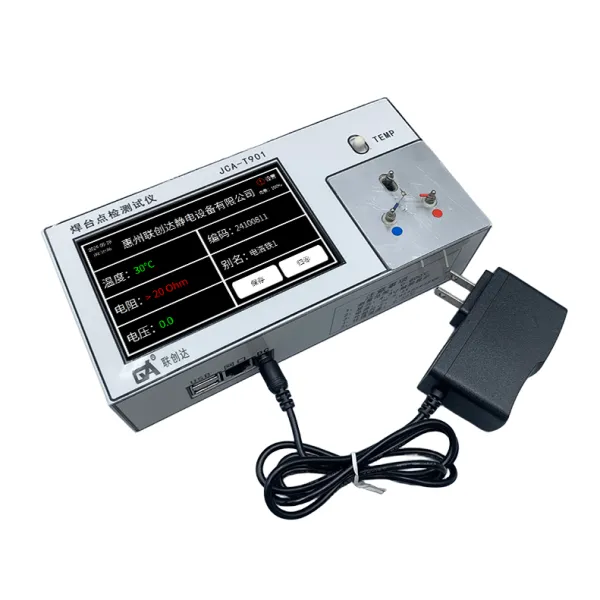
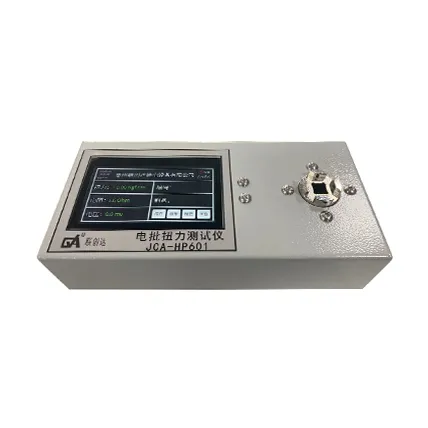
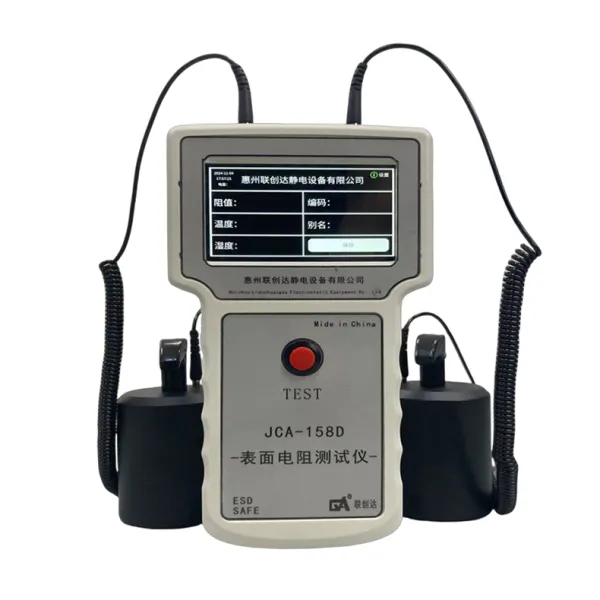
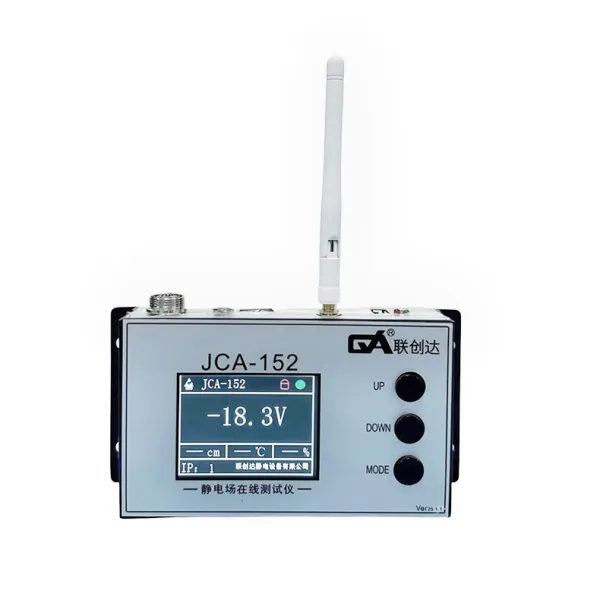

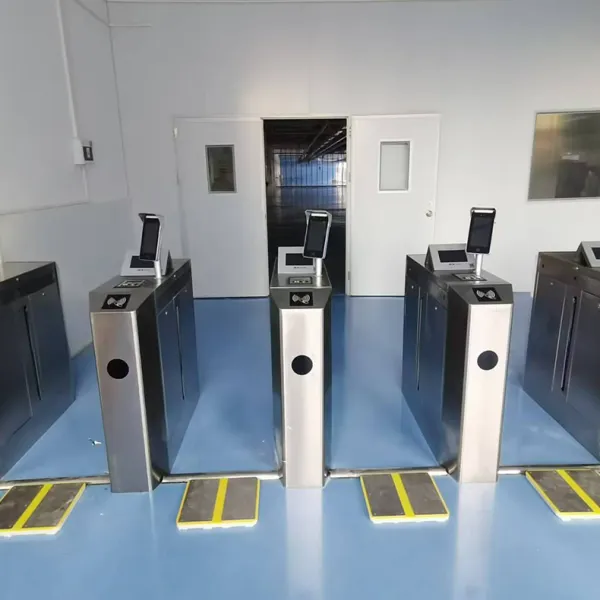

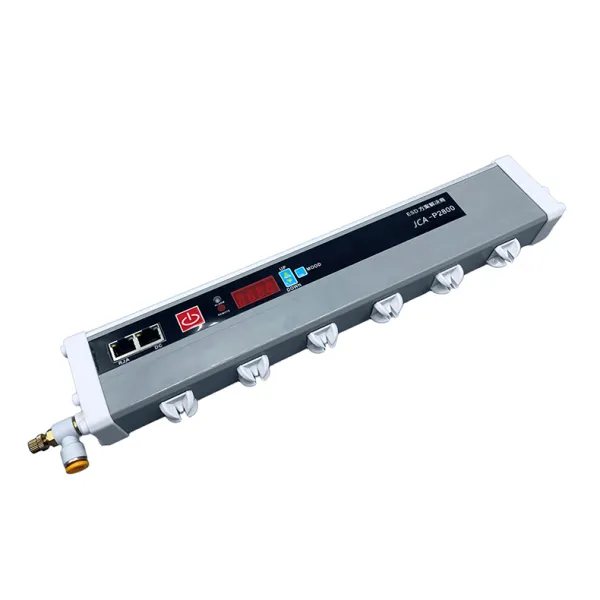
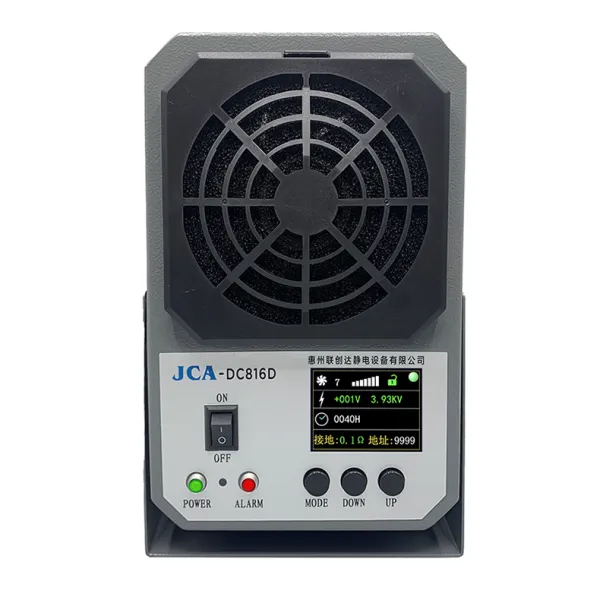

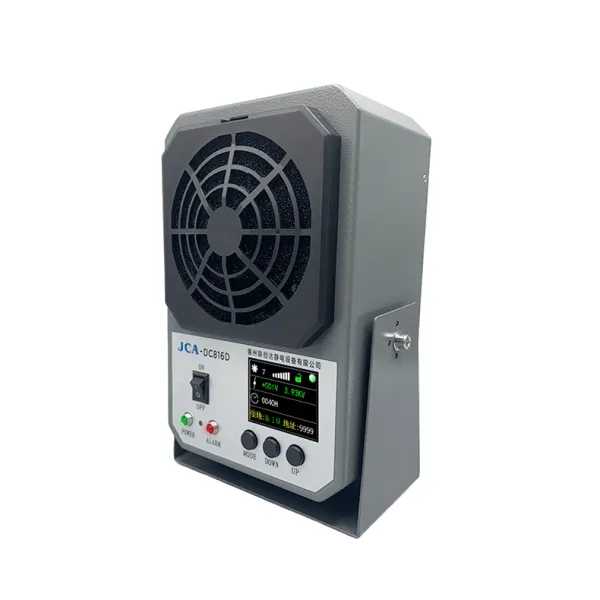
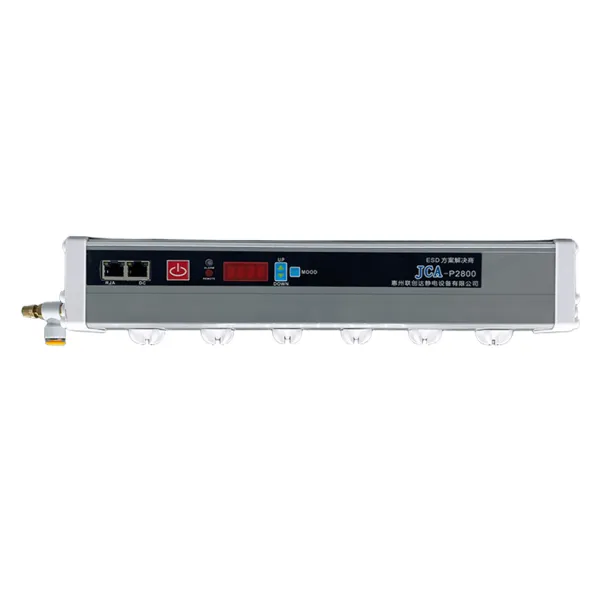

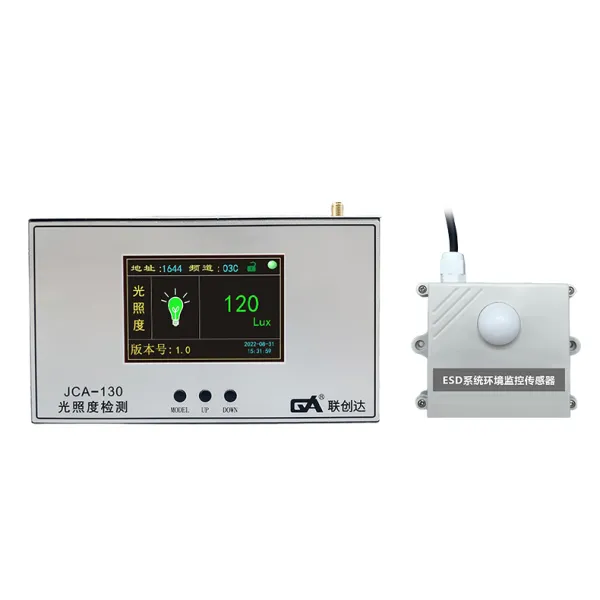

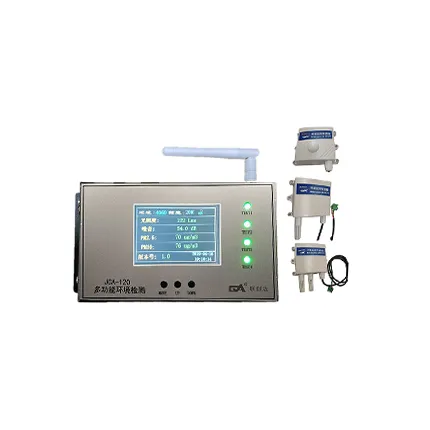
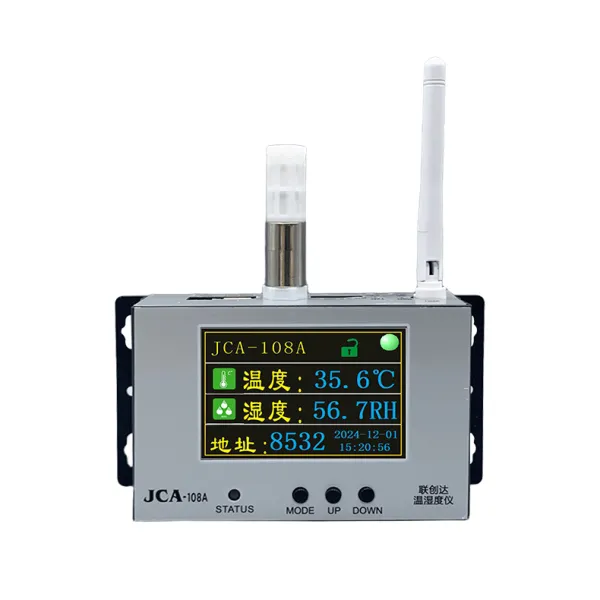
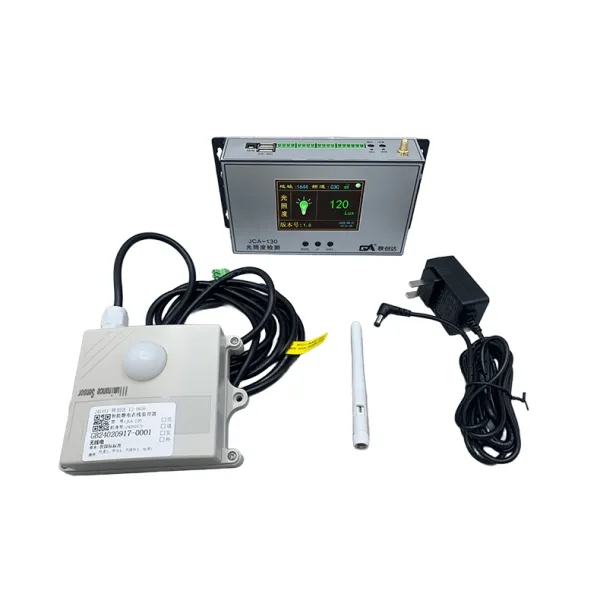


Electrostatic tester
Electrostatic Tester: Overview and Applications An electrostatic tester is a specialized device designed to measure and analyze electrostatic charges, fields, or potentials on materials, surfaces, or in the surrounding environment. These testers play a critical role in industries where electrostatic discharge (ESD) can affect product quality, safety, or operational efficiency. By detecting and quantifying static electricity, they help mitigate risks associated with unwanted charge accumulation. Key Features and Functionality Electrostatic testers typically incorporate sensors capable of measuring surface voltage, charge density, or electric fields. Common measurement ranges span from a few volts to several kilovolts, depending on the application. Advanced models may include features such as: - Non-contact measurement: Allows detection without physical interaction, preventing charge disturbance. - Data logging: Records measurements for analysis and compliance documentation. - Adjustable sensitivity: Adapts to different environments or material types. - Visual/audible alerts: Signals when preset thresholds are exceeded. Applications 1. Electronics Manufacturing: Prevents ESD damage to sensitive components during production or handling. 2. Packaging and Printing: Monitors static in processes involving plastics, films, or paper to avoid material sticking or dust attraction. 3. Healthcare and Cleanrooms: Ensures static-free environments for sterile equipment or pharmaceutical production. 4. Industrial Safety: Identifies hazardous charge buildup in flammable or explosive atmospheres. Working Principle Most electrostatic testers operate based on electrostatic induction or field-mill technology. The sensor detects the electric field generated by a charged object, converting it into a readable voltage or digital output. Calibration against known standards ensures accuracy. Selection Criteria When choosing an electrostatic tester, consider: - Measurement range and resolution. - Response time and portability. - Compliance with industry standards (e.g., ANSI/ESD S20.20). Conclusion Electrostatic testers are indispensable tools for managing static electricity in diverse sectors. By enabling precise measurement and control, they enhance product reliability, safety, and process efficiency. Their continued evolution supports advancements in material science and industrial automation. (Word count: 500)
Sản phẩm
Danh mục:
Không có kết quả tìm kiếm!
Tin tức
Danh mục:
-
[Technical knowledge]How an Ionized Air Wand Can Neutralize Static Charge on Surf...
2025-11-12 15:45:36
Trường hợp
Danh mục:
Không có kết quả tìm kiếm!
Video
Danh mục:
Không có kết quả tìm kiếm!
Tải về
Danh mục:
Không có kết quả tìm kiếm!
Tuyển dụng
Danh mục:
Không có kết quả tìm kiếm!
Sản phẩm được đề xuất
Không có kết quả tìm kiếm!



 Whatsapp
 Điện thoại