Of course. This is a crucial topic, especially in electronics and manufacturing. Here is a comprehensive guide to understanding Electrostatic Discharge (ESD) and how to test for it.
Part 1: Understanding Electrostatic Discharge (ESD)
What is ESD?
Electrostatic Discharge (ESD) is the sudden, rapid flow of electricity between two electrically charged objects caused by contact, an electrical short, or a dielectric breakdown. In simple terms, it's the "zap" or spark you feel when you touch a metal doorknob after walking on a carpet.
While the human body can only feel ESD shocks above 3,000 volts, many electronic components can be damaged by discharges as low as 10 volts, and some sensitive components can be damaged by discharges you can't see or feel, even below 100 volts.
How Does ESD Damage Occur?
ESD can damage electronic components in two primary ways:
Catastrophic Failure: The component is damaged immediately and completely. This is often easy to detect during production testing.
Latent Defect: This is more dangerous and costly. The ESD event partially damages the component, weakening it but not causing immediate failure. The device may pass all tests but then fail prematurely in the field, leading to product returns and damaged brand reputation.
The Triboelectric Effect: The Source of Static Charge
The primary cause of static electricity is the Triboelectric Effect. This occurs when two different materials come into contact and then separate, causing electrons to be transferred from one material to the other.
Common Examples:
Sliding a plastic component out of its tray.
A person walking across a carpeted floor (can generate >15,000 volts).
Unrolling a roll of tape.
Rubbing a balloon on your hair.
Part 2: How to Test for ESD and Ensure a Safe Environment
Testing for ESD isn't about testing the components themselves for damage, but rather about testing the environment and the tools to ensure they are properly controlling static. The goal is to create an "ESD Protected Area" (EPA).
Here are the key things to test and how to test them:
1. Testing Wrist Straps
The wrist strap is the first line of defense for personnel. It must be tested every time it is put on using a Wrist Strap Tester.
How it works:
The operator wears the wrist strap.
They insert the end of the strap into the tester and place their hand on a metal plate.
The tester passes a small, safe current through the operator, the strap, and the cord.
The tester will display a PASS (typically if the resistance is between 750 kΩ and 35 MΩ) or a FAIL.
Best Practice: Use a continuous monitor instead of a daily tester. This device constantly checks the integrity of the wrist strap while the operator works and sounds an alarm immediately if a fault is detected.
2. Testing Worksurface Mats and Benches
Worksurfaces must be static-dissipative to safely drain charge away from components.
How to test with a Surface Resistance Meter (also called a megohmmeter):
Place the two electrodes of the meter a specific distance apart on the worksurface (as per the meter's instructions).
The meter applies a known voltage and measures the resistance.
A proper worksurface should have a resistance to ground (Rtg) of between 1 x 10^6 Ω and 1 x 10^9 Ω (1 megaohm to 1 gigaohm).
3. Testing Flooring and Floor Mats
Like worksurfaces, ESD floors and mats must be dissipative.
How to test:
Two-Point Probe Test: Similar to the worksurface test, two electrodes are placed on the floor at a set distance, and the resistance is measured. Acceptable ranges are typically < 1.0 x 10^9 Ω.
Cohu Test (for people): This test uses a special electrode that simulates the sole of a shoe. The resistance is measured from the electrode, through the floor, to the ground point.
4. Testing Ionizers
In areas where conductive materials (like metal tools) cannot be grounded, ionizers are used. They neutralize static charge on insulating materials by blowing a balanced stream of positive and negative ions.
How to test with an Charge Plate Analyzer (CPA):
The CPA has a small metal plate that can be charged to a specific voltage.
The ionizer is turned on, and the CPA measures how long it takes for the voltage on the plate to decay to 10% of its original value. This is the Decay Time.
The CPA also measures the Offset Voltage (the steady-state voltage the ionizer can maintain on the plate). A good ionizer will have a fast decay time and a very low offset voltage (e.g., ±50V).
5. Testing Packaging and Materials
ESD protective packaging (e.g., pink poly bags, conductive foam) is designed to shield components from outside static. Testing involves measuring its shielding capability using a specialized shielding bag tester.
6. Testing Footwear (Heel Straps & ESD Shoes)
Personnel must be grounded through their shoes if they are not sitting at a grounded workstation.
How to test with a Footwear Tester:
The operator stands on two metal plates while wearing their ESD shoes or heel straps.
The tester measures the resistance from one plate, through the operator and the footwear, to the other plate.
The acceptable range is typically between 7.5 x 10^5 Ω and 1.0 x 10^8 Ω.
Summary: A Proactive ESD Control Program
Testing for ESD is not a one-time event. It is an ongoing process that is part of a complete ESD control program, which should include:
Training: All personnel must understand the importance of ESD.
Grounding / Equipotential Bonding: Ensure all conductors (people, tables, equipment) are at the same electrical potential.
Insulator Removal / Neutralization: Remove unnecessary insulators (e.g., coffee cups, plastic wrappers) or neutralize them with ionizers.
Compliance Verification: Regularly test all ESD control items (wrist straps, mats, flooring, ionizers) as described above, following a documented schedule (e.g., daily for wrist straps, monthly for worksurfaces, quarterly for ionizers).
By systematically understanding and testing for ESD, companies can dramatically reduce product damage, improve quality, and increase customer satisfaction.


 English
 Español
 Portugues
 Pусский
 Français
 Deutsch
 日本語
日本語 한국어
한국어 العربية
 Italiano
 Nederlands
 Polski
 ไทย
ไทย Türk dili
 हिन्दी
 Indonesia
 Melayu
 বাংলা
বাংলা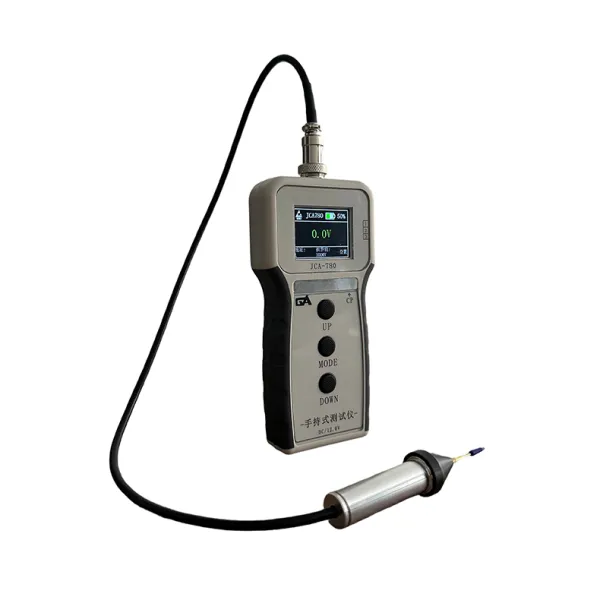 Portable Compact Isolated Conductor Tester - Precise Static Voltage Meter with Touchscreen Operation
 Touch-Operated Handheld ESD Tester - Accurate Static Detection Instrument
 Anti-Static High-Frequency Smart Soldering Station - Industrial-Grade Lead-Free Soldering Iron for Electronic Repair
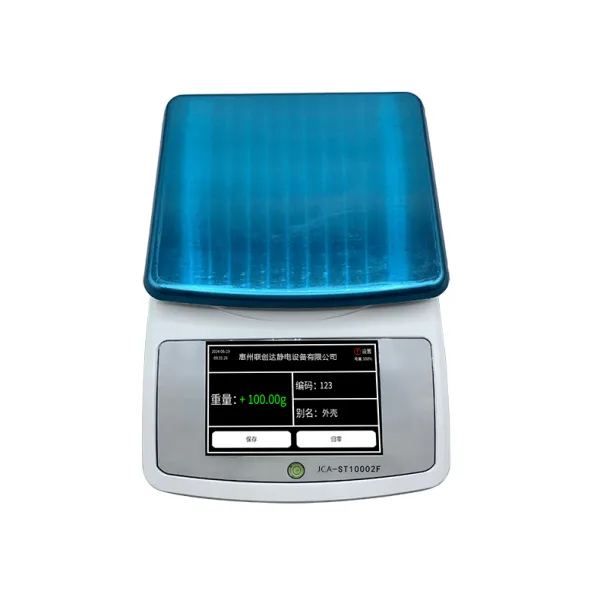 Lightweight Precision Industrial Scale - Portable High-Precision Weighing, QR Code Data Recording
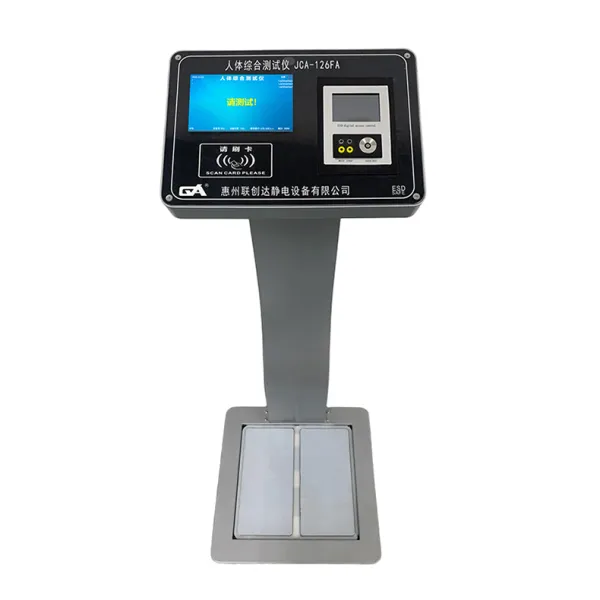 Pro ESD Human Body Comprehensive Tester - Anti-Static Access Gate with Biometric & Card Recognition
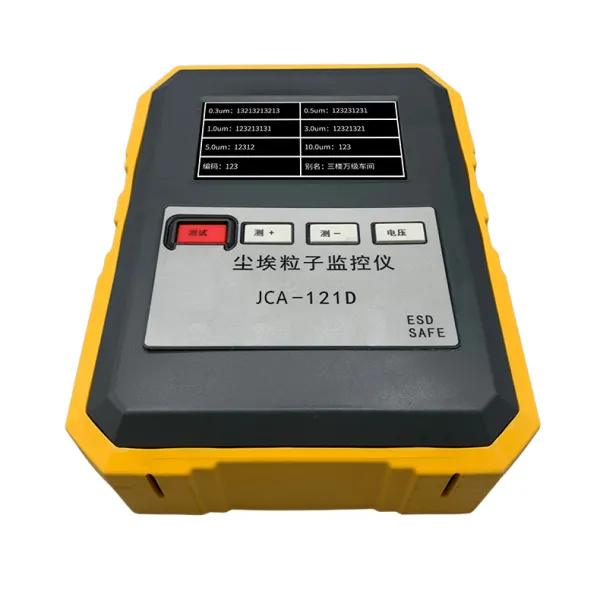 Lianchuangda Portable Particle Counter - Cleanroom-Specific Air Cleanliness Tester
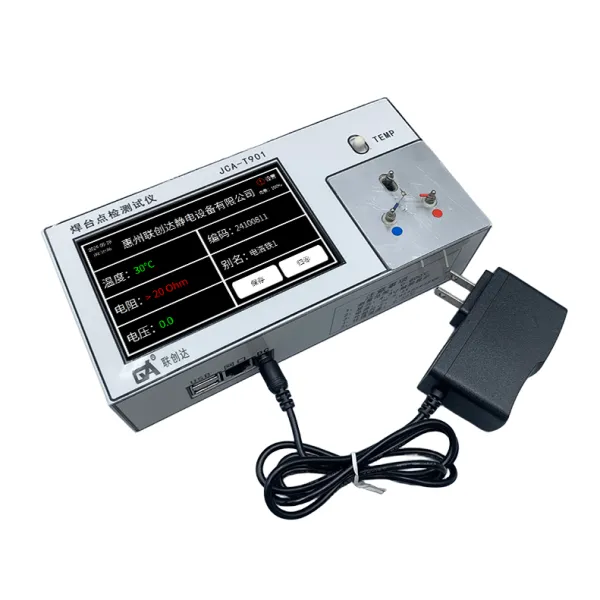 Lianchuangda Environmental Pressure Tester Wireless Digital Display & Grounding Monitoring
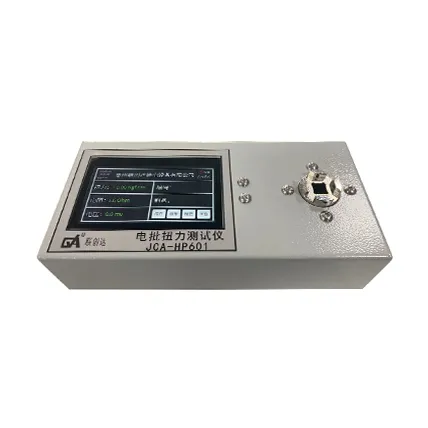 Digital Electric Screwdriver Torque Tester - Precise Measurement, Smart Data Storage
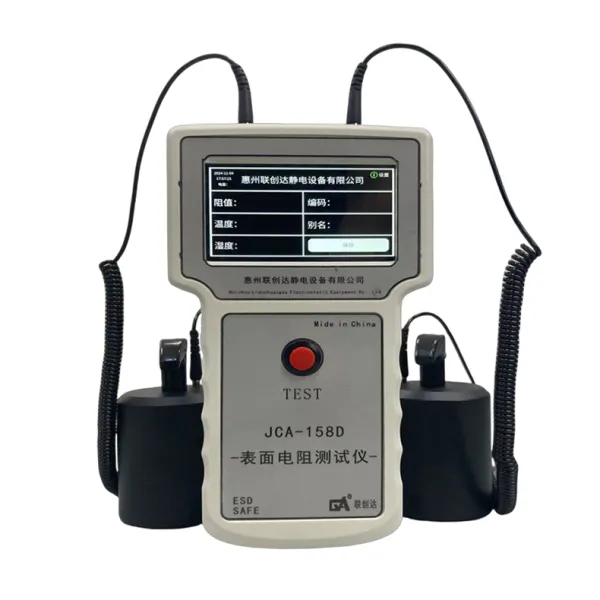 Portable Hammer Surface Resistance Tester - Smart Industrial Megohmmeter with Data Networking
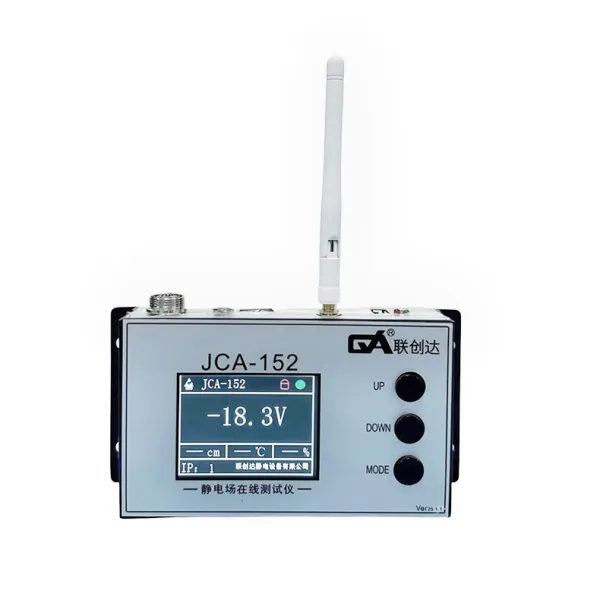 Wireless ESD Field Tester - Real-Time Voltage Monitoring, Easy Installation & Visual Operation
 Color Screen Wireless Ion Fan Static Tester with Voltage Measurement & Data Transmissio
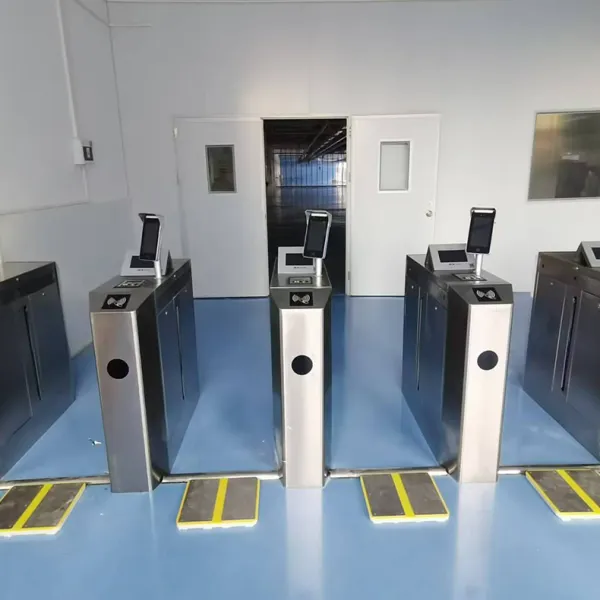 Lianchuangda Test Anti-static Access Control Turnstile JCA-S106 Supports MySQL Database
 Suspended 3-Head DC Ion Fan - Smart Quiet Static Eliminator, Customizable
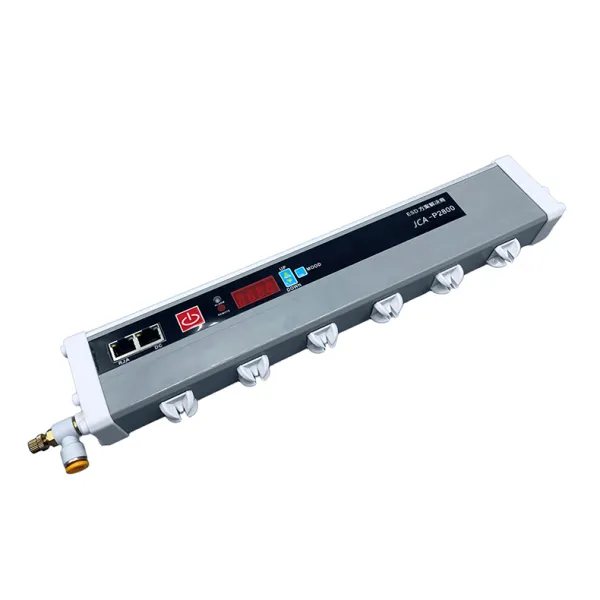 Pulse-Type ESD Ion Air Bar - Industrial-Specific Static Eliminator for ESD Removal
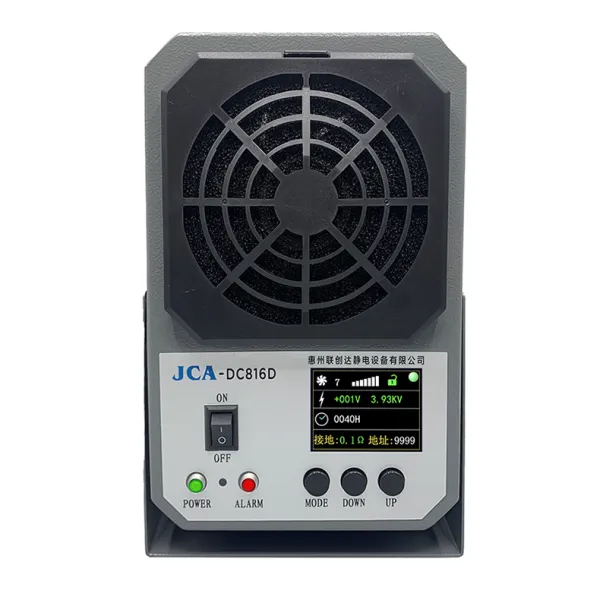 Lianchuangda Smart DC Ion Fan - Industrial-Grade Static Elimination for Factory Workshops
 Desktop DC Single-Head Ion Fan - Professional Static Eliminator with Wireless Network Connectivity
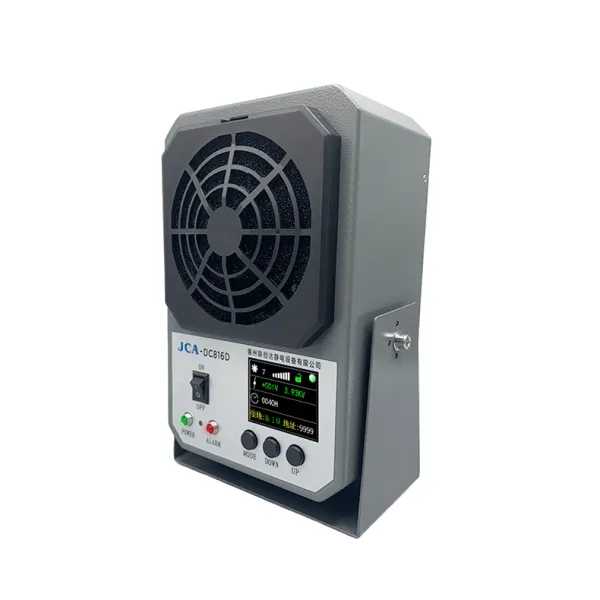 Intelligent DC Ion Fan Manufacturer Workshop Electronic Anti-Static Industrial-Grade Static Elimination Equipment
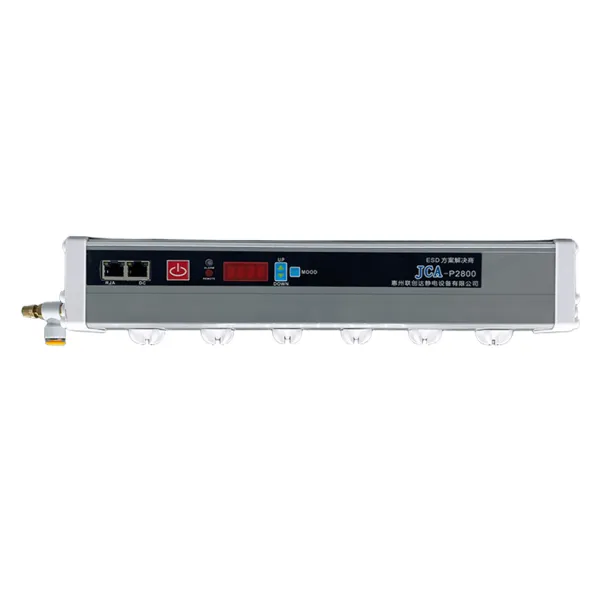 Industrial Static Elimination Pulse-type Anti-static Ion Air Bar Static Eliminator
 2.2-inch color screen three-air outlet ion fan static protection eliminates static electricity
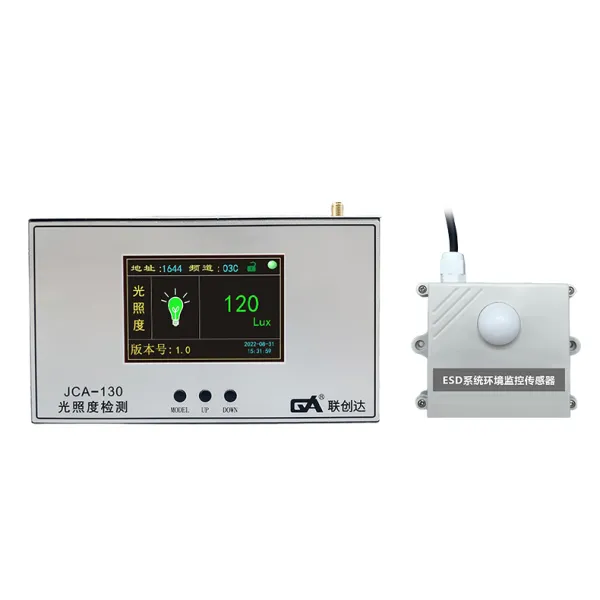 3.5 Inch Color LCD Wireless Digital Lux Meter - High-Precision Environmental Detector with Network Connectivity
 Smart Wireless Noise Detection Alarm System - Digital Tester for Environmental Monitoring with Networking
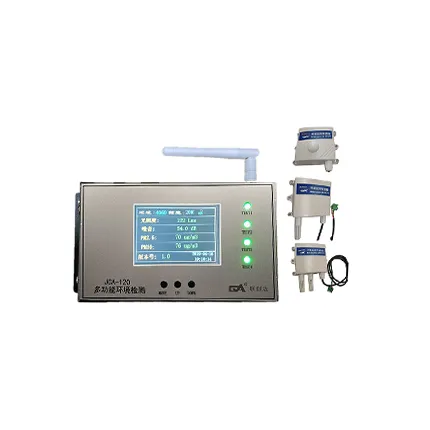 3.5 Inch Color LCD Wireless Multi-Functional Environmental Detector - Dust Particle Tester with WiFi Connectivity
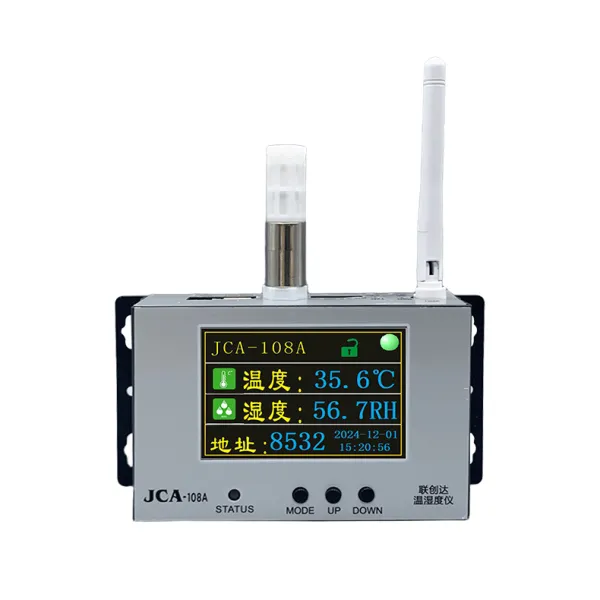 Wireless Temperature & Humidity Monitor - Smart Recorder with Remote Query & Data Transmission
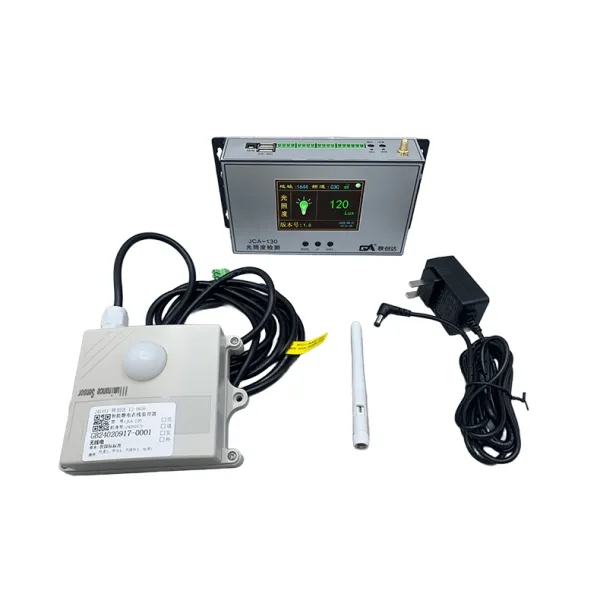 Lianchuangda Wireless Digital Display Illuminance Tester - 3.5-inch LCD Color Screen Dynamic Display High-Precision Environmental Tester



 Whatsapp
 Điện thoại
Bình luận
(0)