How to Build an Intelligent Static Electricity Online Monitoring Network for Full-Plant ESD Control
Constructing an intelligent static electricity online monitoring network for full-plant ESD control must focus on "real-time sensing, data linkage, intelligent early warning, and closed-loop management." It integrates hardware deployment, system integration, and process optimization to upgrade from single-point detection to full-domain monitoring. Below is a detailed implementation framework, suitable for ESD-sensitive factory scenarios such as semiconductor and electronic manufacturing:
I. Hardware Layer: Deploy Full-Domain Sensing Nodes to Cover Core Static Risk Points
Distributed Monitoring Terminal Deployment
Mount surface resistance sensors (supporting 10⁵~10⁹Ω real-time monitoring) on workbenches, shelves, and conveyor lines, paired with temperature and humidity sensors (static electricity is strongly correlated with humidity, requiring synchronous collection);
Equip ionizing blowers, ionizing air guns, and other devices with intelligent modules to upload real-time parameters such as ion balance (within ±35V) and static elimination time, replacing manual inspections;
Deploy fixed static field testers in high-risk areas (e.g., wafer storage zones, chip packaging rooms) to continuously monitor spatial static voltage (±1kV~±30kV).
Personnel Protection Monitoring: Install intelligent wrist/ankle strap online monitors (e.g., DESCO 7700 with RFID identification) at workshop entrances and workstations. These real-time collect wearing status and resistance values (1MΩ~10MΩ), triggering audio-visual alarms and linking with access control systems (denying entry to those failing standards) when anomalies occur.
Environment and Equipment Monitoring:
Mobile Supplementary Monitoring: Configure handheld intelligent detectors (with 4G/5G modules) for temporary spot checks or blind area coverage, with data automatically synced to the cloud.
Data Transmission Layer Design
Adopt a "wired + wireless" hybrid network: Use industrial Ethernet (anti-interference) in core areas (e.g., cleanrooms) and LoRa/WiFi 6 (low-power, wide coverage) for mobile devices and scattered nodes, ensuring data transmission latency < 1 second.
Add edge computing gateways to preprocess high-frequency data (e.g., static field voltage) locally (filtering noise and outliers) to reduce cloud load.
II. Software Layer: Build an Intelligent Management System for Data Linkage and Analysis
Core Function Module Development
Multi-level alarm mechanism: Minor deviations (e.g., resistance slightly above 10MΩ) trigger SMS notifications to team leaders; severe deviations (e.g., static field voltage > 10kV) activate audio-visual alarms + shutdown commands (linked to production line PLCs);
Root cause analysis: The system automatically correlates temperature and humidity data (e.g., static electricity tends to exceed standards when humidity < 30%RH) to assist in problem localization (e.g., "Static overrun in Area A may be due to humidifier failure").
Real-Time Monitoring Dashboard: Visually display full-plant static status (classified by area/equipment), with out-of-spec parameters highlighted in red for early warning. Supports drilling down to view historical data of specific nodes (e.g., 24-hour ion balance curve of a specific ionizing blower).
Intelligent Warning and Linkage:
Compliance Management: Automatically generate compliance reports for standards such as ANSI/ESD S20.20 and IEC 61340, recording detection times, data, and responsible personnel to support audit traceability.
System Integration and Data Interoperability
Connect to the factory’s MES/ERP system: Bind static data with production batches and equipment IDs (e.g., static parameters during packaging of a specific chip batch) to trace quality issues;
Integrate with energy management systems: When static overrun is linked to air conditioning/humidifiers, automatically adjust environmental parameters (e.g., increase humidity to 40%~60%RH) to form closed-loop control.
III. Process Layer: Establish Closed-Loop Management Mechanisms to Implement Management Strategies
Hierarchical Response Procedures
Frontline Operations: When workstation terminals alarm, employees follow SOPs (e.g., re-wearing wrist straps, checking grounding), with the system recording processing results;
Management Intervention: Alarms unresolved within 30 minutes are automatically escalated to engineers, triggering on-site inspections (e.g., cleaning ionizer filters, testing grounding lines).
Preventive Maintenance
Based on equipment operation data (e.g., cumulative runtime of ionizing blowers), the system automatically generates maintenance reminders (e.g., "Blower A requires filter replacement") to avoid static 失控 due to equipment aging.
Personnel Training and Permission Management
Assign system permissions to different roles (operators, engineers, managers) to ensure data security;
Conduct targeted training using monitoring data (e.g., strengthening training for employees in areas with frequent static overruns due to improper operations).
IV. Key Technical Guarantees
Anti-Interference Design: Sensors use metal-shielded enclosures to prevent electromagnetic interference from factory equipment (e.g., motors, high-frequency devices) affecting data accuracy;
Redundancy Backup: Core gateways and servers adopt dual-machine hot backup to prevent data loss;
Edge Computing + Cloud Computing Integration: Local rapid response to real-time alarms, with cloud platforms handling big data analysis (e.g., monthly static risk trend forecasting).
Through this framework, factories can achieve "early detection, early intervention, and traceability" of static risks, reducing product defect rates caused by ESD by over 90% while meeting stringent international standards for static control. For scenario-specific refinements (e.g., semiconductor wafer factories), further details can be added based on specific needs.


 English
 Español
 Portugues
 Pусский
 Français
 Deutsch
 日本語
日本語 한국어
한국어 العربية
 Italiano
 Nederlands
 Polski
 ไทย
ไทย Türk dili
 हिन्दी
 Indonesia
 Melayu
 বাংলা
বাংলা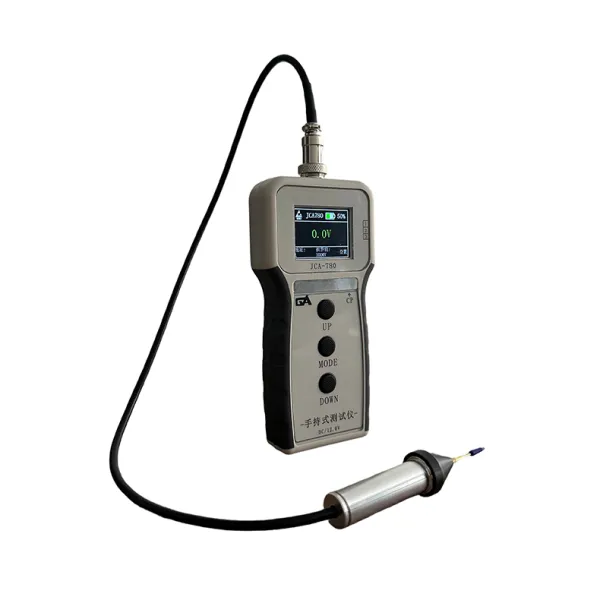 Portable Compact Isolated Conductor Tester - Precise Static Voltage Meter with Touchscreen Operation
 Touch-Operated Handheld ESD Tester - Accurate Static Detection Instrument
 Anti-Static High-Frequency Smart Soldering Station - Industrial-Grade Lead-Free Soldering Iron for Electronic Repair
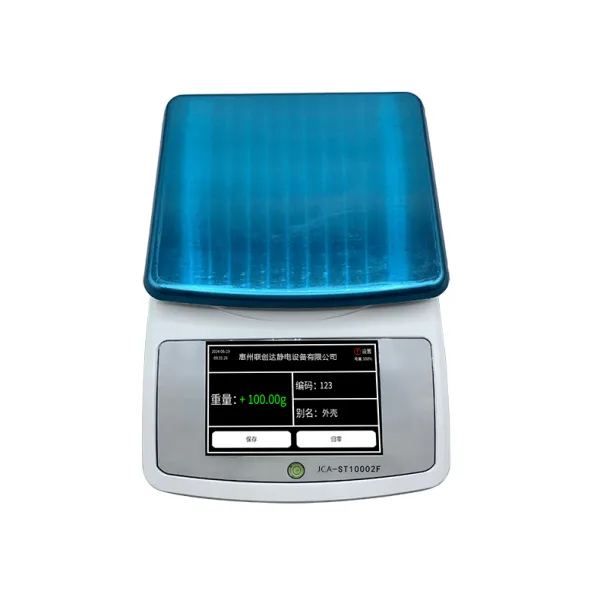 Lightweight Precision Industrial Scale - Portable High-Precision Weighing, QR Code Data Recording
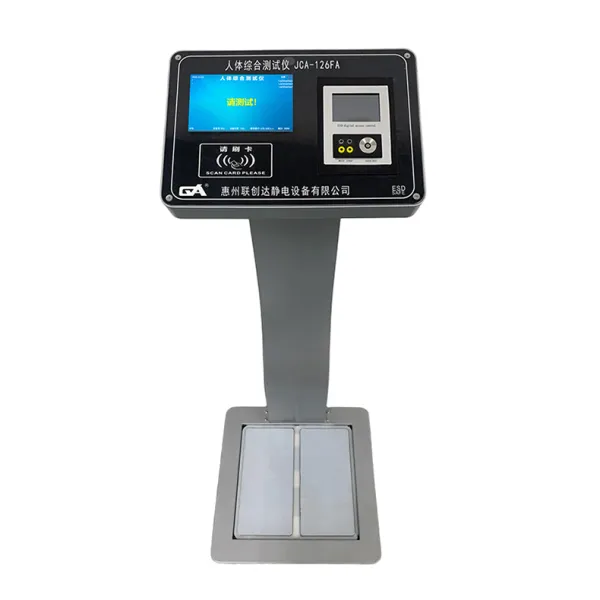 Pro ESD Human Body Comprehensive Tester - Anti-Static Access Gate with Biometric & Card Recognition
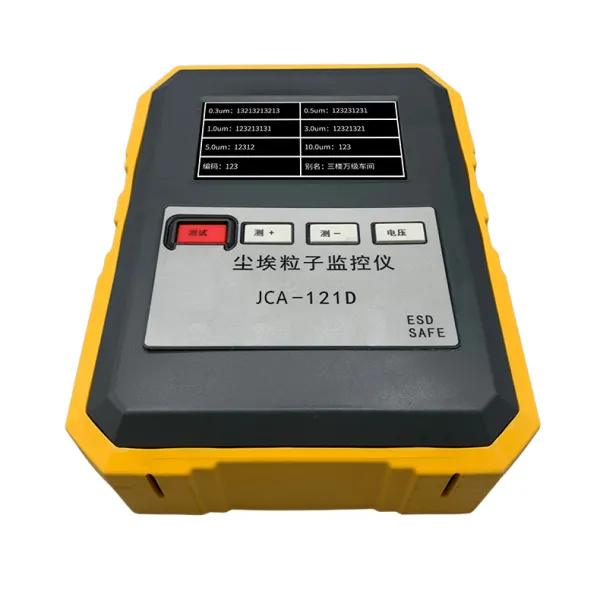 Lianchuangda Portable Particle Counter - Cleanroom-Specific Air Cleanliness Tester
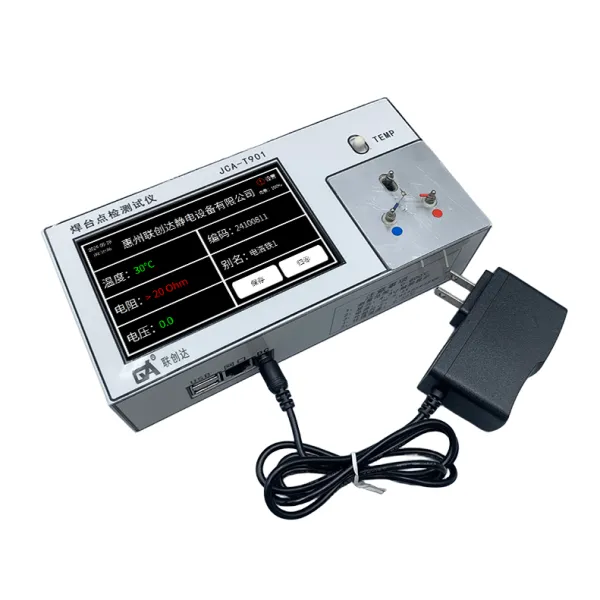 Lianchuangda Environmental Pressure Tester Wireless Digital Display & Grounding Monitoring
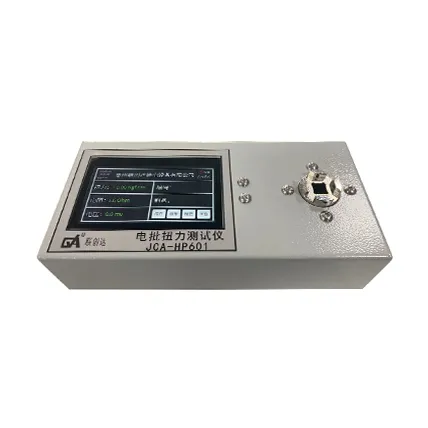 Digital Electric Screwdriver Torque Tester - Precise Measurement, Smart Data Storage
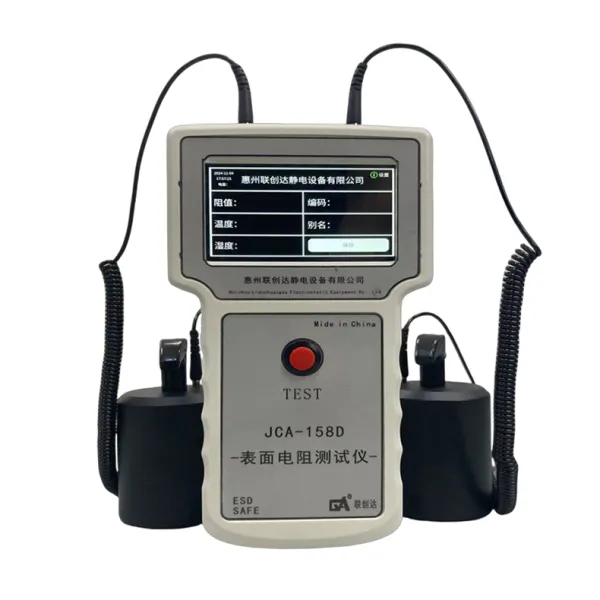 Portable Hammer Surface Resistance Tester - Smart Industrial Megohmmeter with Data Networking
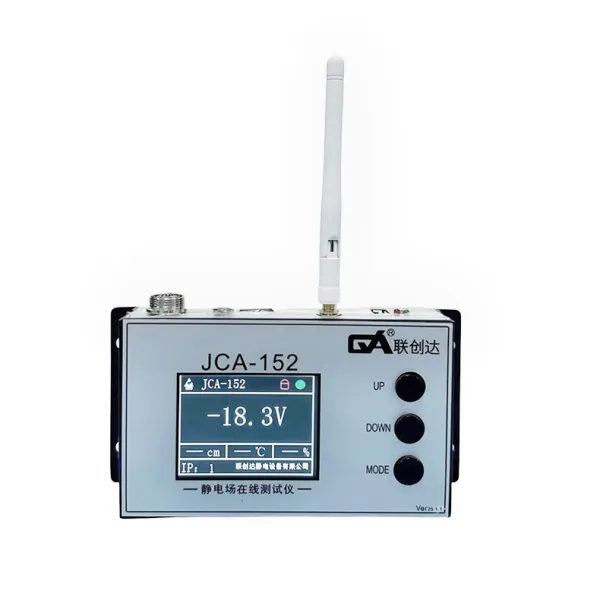 Wireless ESD Field Tester - Real-Time Voltage Monitoring, Easy Installation & Visual Operation
 Color Screen Wireless Ion Fan Static Tester with Voltage Measurement & Data Transmissio
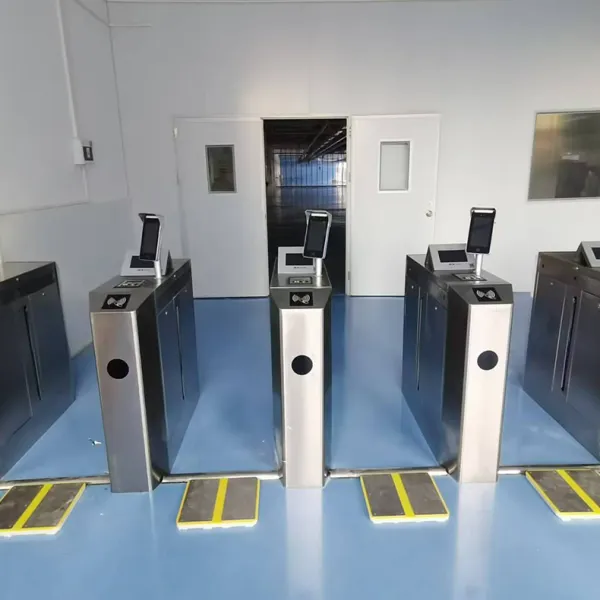 Lianchuangda Test Anti-static Access Control Turnstile JCA-S106 Supports MySQL Database
 Suspended 3-Head DC Ion Fan - Smart Quiet Static Eliminator, Customizable
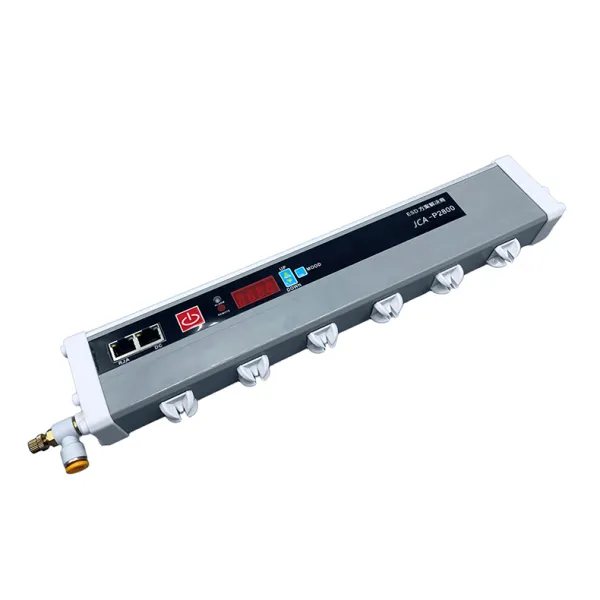 Pulse-Type ESD Ion Air Bar - Industrial-Specific Static Eliminator for ESD Removal
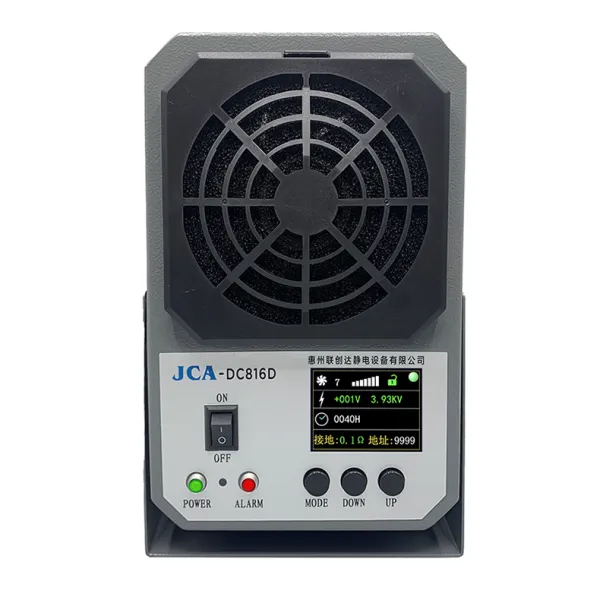 Lianchuangda Smart DC Ion Fan - Industrial-Grade Static Elimination for Factory Workshops
 Desktop DC Single-Head Ion Fan - Professional Static Eliminator with Wireless Network Connectivity
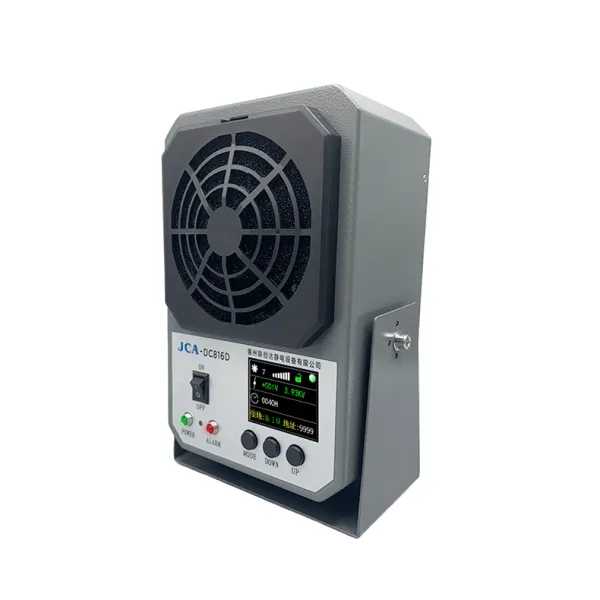 Intelligent DC Ion Fan Manufacturer Workshop Electronic Anti-Static Industrial-Grade Static Elimination Equipment
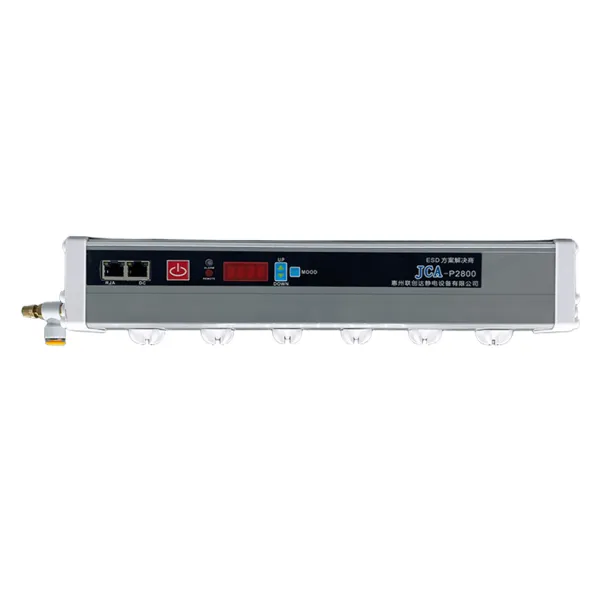 Industrial Static Elimination Pulse-type Anti-static Ion Air Bar Static Eliminator
 2.2-inch color screen three-air outlet ion fan static protection eliminates static electricity
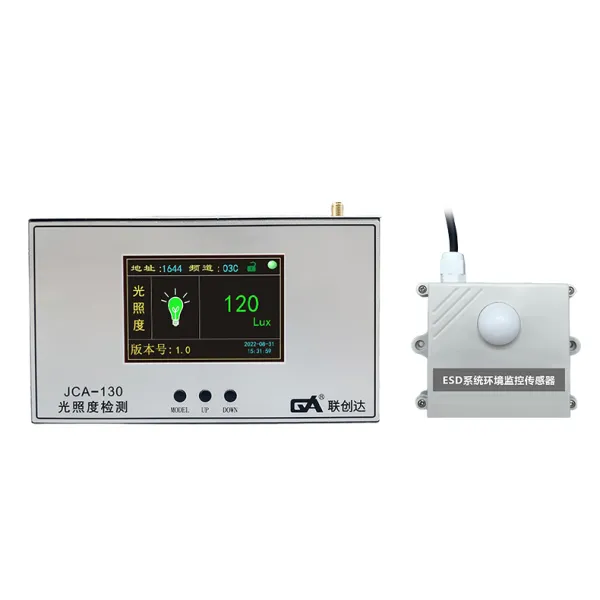 3.5 Inch Color LCD Wireless Digital Lux Meter - High-Precision Environmental Detector with Network Connectivity
 Smart Wireless Noise Detection Alarm System - Digital Tester for Environmental Monitoring with Networking
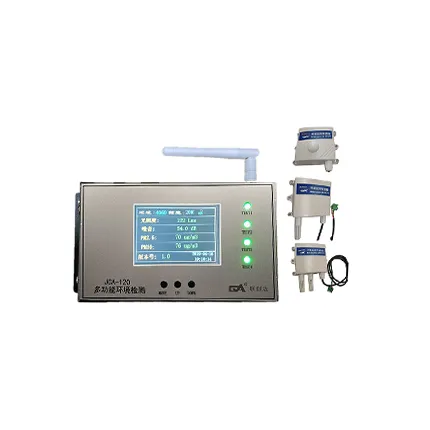 3.5 Inch Color LCD Wireless Multi-Functional Environmental Detector - Dust Particle Tester with WiFi Connectivity
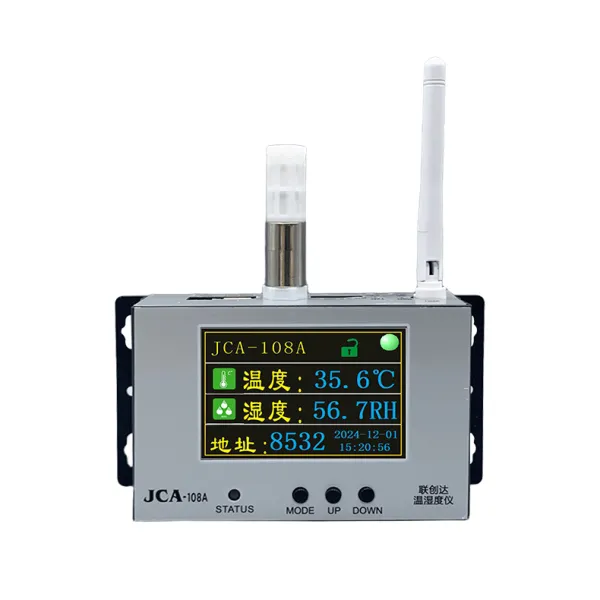 Wireless Temperature & Humidity Monitor - Smart Recorder with Remote Query & Data Transmission
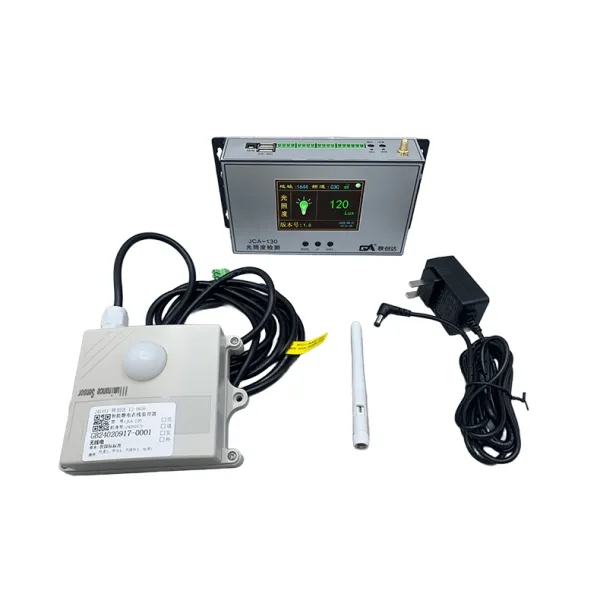 Lianchuangda Wireless Digital Display Illuminance Tester - 3.5-inch LCD Color Screen Dynamic Display High-Precision Environmental Tester



 Whatsapp
 Điện thoại
Bình luận
(0)